


Designing Outdoor Team-Building Challenges Everyone Can Join
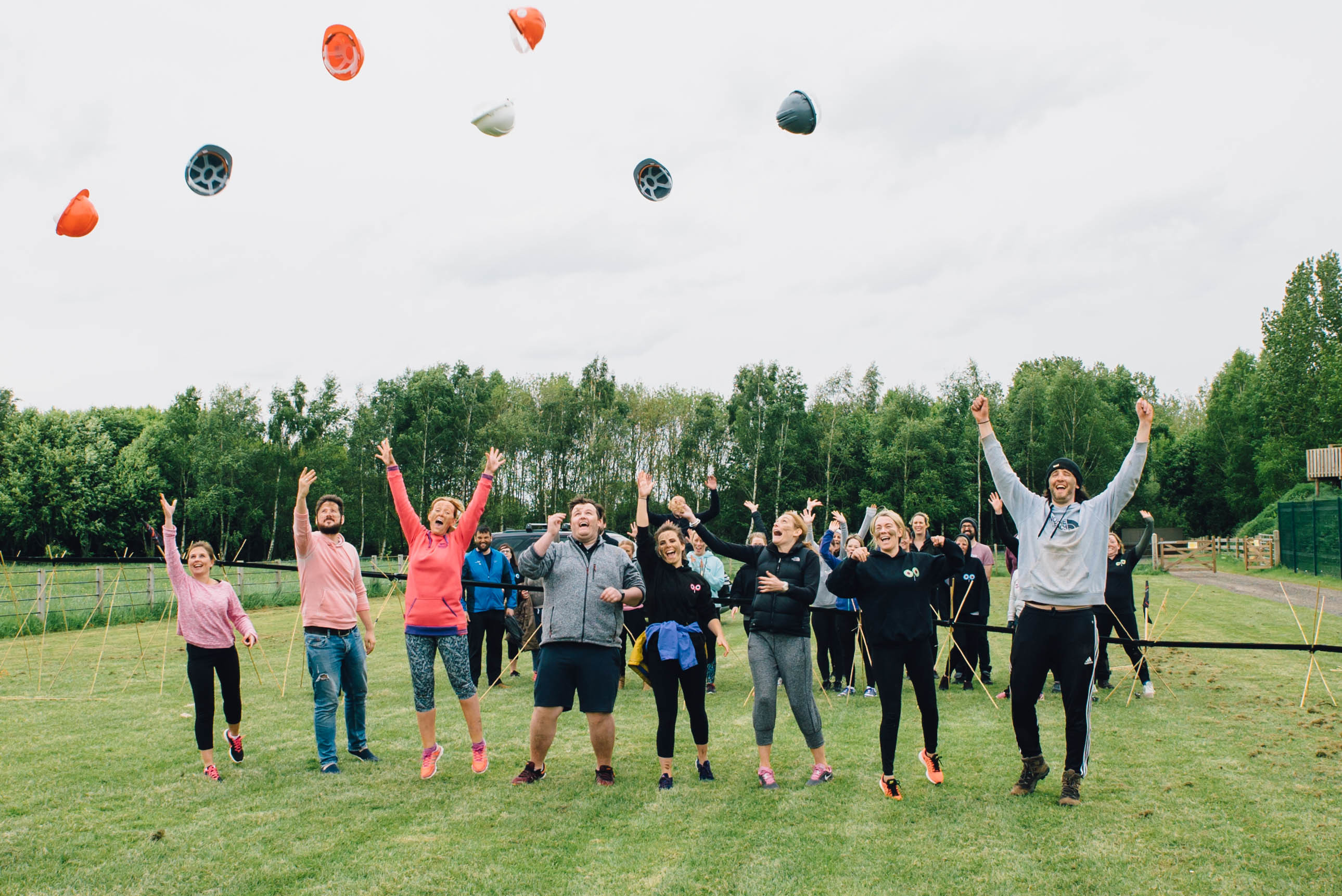
Creating inclusive team-building activities means designing events where every person can take part. Your team includes people with different fitness levels, physical abilities, and comfort zones. The best outdoor obstacle course activities work for everyone.
Understanding Your Team's Needs
Start by learning about your team members. Some people love physical challenges. Others prefer mental puzzles. Many fall somewhere in between. Ask team members about their comfort levels and any needs they have.
Physical abilities vary widely across teams. One person might use a wheelchair. Another might have limited vision. Someone else might feel nervous about heights. Your job is to create challenges that let everyone shine.
Psychological safety matters as much as physical safety. People perform better when they feel secure and valued. Design activities where no one feels left out or embarrassed.
Planning Your Outdoor Challenge Course
Choose a location with multiple paths and open spaces. Parks with paved trails work well. Look for areas with both grass and hard surfaces. Make sure restrooms and parking are nearby.
Design stations with different ways to complete each task. At a rope climbing station, one person might climb the rope. Another might tie knots at ground level. A third person might time the attempts and cheer on teammates.
Create tasks that use different skills. Mix physical challenges with brain puzzles. Include activities that need teamwork and others that showcase individual talents. This approach lets people with diverse fitness levels contribute equally.
Building Accessible Obstacle Courses
Traditional obstacle courses often exclude people. Smart design includes everyone. Replace high climbing walls with low crawling spaces. Add ramps alongside stairs. Provide multiple ways to move through each station.
Make one path wheelchair accessible at every station. Use pool noodles and foam blocks instead of heavy objects. Choose bright colors for better visibility. Keep paths wide enough for mobility devices.
Station examples work well when you offer choices. At a balance challenge, some people walk across a narrow beam. Others might balance on one foot or carry an object while walking a straight line. Everyone faces a balance task suited to their ability.
Sample Challenge Stations
The puzzle station combines mental and physical tasks. Teams find hidden letters around a small area. They arrange letters to spell words. People with mobility limits can focus on solving while others gather clues.
Memory stations test teamwork skills. One person studies a picture for thirty seconds. They describe it to teammates who recreate the image. This station needs clear communication, not physical strength.
Sorting challenges work for mixed groups. Teams organize objects by color, size, or type. Some people can lift heavy items. Others handle delicate pieces. Everyone contributes to the final result.
Navigation tasks use maps and compasses. Teams find checkpoints around the area. Some members read maps while others spot landmarks. Physical mobility varies, but everyone helps guide the team.
Creating Fair Scoring Systems
Points should reward teamwork over individual performance. Give equal points for completing tasks regardless of how someone finishes. A person who crawls under an obstacle earns the same points as someone who jumps over it.
Award bonus points for helping teammates. When someone assists another person, both people earn extra points. This system encourages cooperation instead of competition between team members.
Time limits should be generous. Rushing creates stress and excludes people who need more time. Set time goals that most teams can meet. Focus on completion rather than speed.
Consider effort over results. Teams that try hard should earn points even if they do not finish every task. This approach keeps everyone engaged throughout the event.
Safety Planning and Risk Management
Check your location for hazards before the event. Look for holes, uneven ground, or dangerous plants. Mark problem areas clearly. Have a backup indoor location ready.
Bring a first aid kit and know how to use it. Have emergency contact numbers for all participants. Keep a charged phone nearby. Assign someone to watch for safety issues during activities.
Set clear rules about helping teammates. People should offer help, not force it. Each person decides their own limits. Respect when someone says they cannot do a task.
Weather planning prevents problems. Have sun protection and water available. Move activities indoors if storms threaten. Heat and cold affect people differently, so watch for signs of distress.
Managing Different Fitness Levels
Design challenges with natural breaks built in. After a physical station, add a quiet thinking task. This pattern lets people recover while staying involved.
Offer team roles beyond physical tasks. Assign people as timekeepers, cheerleaders, or strategy planners. These jobs are vital to team success but do not require physical exertion.
Let teams self-organize within each challenge. Natural leaders often emerge. Some people prefer to follow. Both roles matter for team success.
Essential Safety Checklist
Before your event starts, confirm that emergency services can reach your location. Test all equipment for damage or wear. Make sure you have enough water for everyone. Check that all team members know where restrooms are located.
During activities, watch for signs of fatigue or distress. Keep activities moving to prevent boredom. Stay flexible if you need to modify challenges. Have a plan for people who want to stop participating.
After the event, gather feedback from participants. Ask what worked well and what could improve. This information helps you design better inclusive team-building activities next time.
Building Long-Term Success
Great outdoor team-building creates lasting benefits. People learn about their teammates' strengths. Trust grows between team members. Everyone feels valued for their unique contributions.
Plan follow-up activities that build on your outdoor success. Reference shared experiences in future meetings. Celebrate the teamwork skills people developed during challenges.
The best inclusive team-building activities bring out everyone's best qualities. When you design with accessibility in mind, you create experiences that strengthen your entire team.